
How I Started Gardening in a Tiny Apartment Balcony on a Small Budget
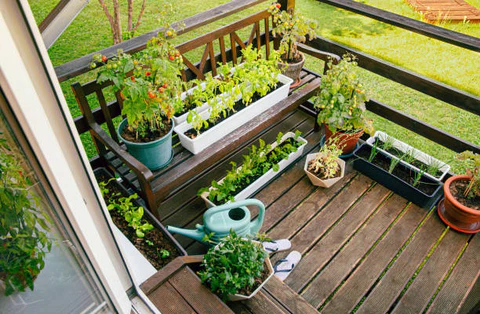
586 views
My balcony was barely useful.
There was room for one folding chair, a drying rack, and not much else. Every time I thought about starting a garden, I pictured expensive ceramic pots, bulky bags of soil, complicated irrigation systems, and a jungle of plants I’d probably kill within two weeks.
Then I stopped trying to build a “real garden.”
I treated the balcony like a small hobby project instead.
That shift changed everything.
A quick review of Hobby Ideas' existing gardening content shows that the site already covers the broad beginner journey of cheap containers, easy plants, vertical growing, and basic watering. So this version takes a different route: the actual planning decisions, budget trade-offs, container sizes, balcony limitations, and mistakes that tend to show up after the first enthusiastic shopping trip.
And yes, there was one.
I bought two pots that were far too small.
First, I measured the balcony instead of buying plants
This sounds painfully obvious. I still skipped it at first.
A tiny balcony can look surprisingly spacious when it's empty, then suddenly feel like an obstacle course after you add four containers, a watering can, and one ambitious tomato plant.
Before spending anything, I measured three things:
Usable floor area
Railing and wall space
The path needed to actually walk outside
I also checked the lease and building rules before attaching anything to the railing. That's not exciting gardening advice, but it can save a renter from an awkward conversation with a landlord.
Weight matters too. More than I initially realized.
University of Maryland Extension notes that a 20-inch container filled with moist growing medium and plants can weigh about 100 pounds. A balcony garden isn't just about finding enough square footage; the containers, wet soil, water, furniture, and people all add load.
So I skipped giant decorative planters.
Plastic nursery pots, fabric grow bags, and lightweight containers made much more sense for my first attempt.
My first budget was small on purpose
I gave myself a simple rule: don't spend heavily until something actually survives.
My starter setup looked roughly like this:
Item | What I bought | Approximate cost |
|---|---|---|
Containers | Reused pots and inexpensive plastic containers | $0–$10 |
Potting mix | One small bag of quality container mix | $8–$15 |
Seeds or starter plants | Basil, lettuce, green onions | $5–$12 |
Hand trowel | Basic model | $5–$8 |
Plant labels | Cut-up plastic containers | $0 |
Saucers | Reused trays or inexpensive saucers | $0–$5 |
That put my realistic starting range at roughly $18 to $50, depending on what I could reuse.
No smart irrigation system. No designer shelving. No matching pots.
Honestly, the mismatched containers looked a little ridiculous at first.
I got over it.
The soil was worth paying for
One mistake I made early was assuming dirt was dirt.
It isn't.
Garden soil can be heavy and compact in containers, while a lightweight potting mix is designed to balance moisture retention with drainage. Extension guidance from the University of Minnesota specifically recommends potting mix rather than ordinary garden soil for containers, partly because weight is also a concern on balconies.
This was the first place I stopped trying to save every dollar.
A cheap container can work. A bad growing medium can ruin the whole experiment.
I also learned an oddly persistent lesson: don't fill the bottom of a pot with rocks to “improve drainage.” University of Maryland Extension explains that gravel or broken pottery can actually raise the water table inside the container and contribute to waterlogging.
That little myth had me hauling unnecessary stones upstairs.
Not my finest gardening moment.
Then I watched the sun for several days
Plant labels can be misleading if you don't understand your actual balcony.
Mine wasn't simply “sunny.”
It got direct morning sun, then shade. A nearby building reflected heat for part of the afternoon. Wind occasionally turned the corner of the balcony into what felt like a miniature weather event.
Balconies have microclimates.
For warm-season crops such as tomatoes, peppers, eggplants, and squash, University of Maryland Extension recommends roughly 6–8 hours of direct sun. Cool-season crops such as lettuce, spinach, and Asian greens can manage with around 3–5 hours. Southern and western exposures tend to be warmer and sunnier, while northern and eastern exposures are generally cooler and shadier.
That information immediately changed my shopping list.
Instead of forcing tomatoes into a mediocre location, I started with plants that matched the balcony I actually had.
What worked in my small-space setup
Basil was an easy choice for the brighter section.
Lettuce and other leafy greens made sense where the direct sun didn't last all day.
Green onions were cheap to start and didn't demand much room.
For gardeners with stronger sun, compact tomatoes and peppers can work well too. Look for varieties specifically described as bush, dwarf, patio, or container types rather than assuming every vegetable will politely stay balcony-sized.
Corn, for example?
Probably not the hill I'd die on in a sixth-floor apartment.
Container size turned out to be less flexible than I thought
I initially assumed I could put any plant in any available pot.
Plants disagreed.
Herbs and green onions can work in relatively modest containers, while crops with larger root systems need more space. Oregon State University Extension gives a useful real-world comparison: around 10-inch pots can suit herbs, parsley, and green onions, while tomatoes, peppers, and eggplants generally need containers closer to five gallons.
That matters because undersized containers create a frustrating cycle:
Soil dries out quickly.
Roots become crowded.
The plant struggles.
You water more.
Then you start blaming yourself.
Sometimes the problem isn't your gardening skill. The pot is simply too small.
The boring issue nobody warned me about: water
Watering a balcony garden sounds easy.
Until it's hot.
Containers can dry out rapidly, particularly when they're exposed to concrete, reflected heat, or wind. Some may need watering every day during hot, dry weather, although permanently soggy soil is just as problematic.
I stopped watering according to a rigid calendar.
Instead, I checked the growing medium.
If the top layer was dry, I checked slightly deeper with a finger. For thirsty plants in warm weather, I watered thoroughly enough for excess water to reach the drainage holes.
Then came another apartment-specific problem: the water below.
Nobody wants nutrient-stained runoff dripping onto a neighbor's balcony. Saucers and appropriate containers can help manage drainage, although pots shouldn't be left standing in water for long periods.
A small tray solved more problems than another expensive gardening gadget would have.
I used vertical space carefully
Once the floor started filling up, I looked up.
Shelves, hanging containers, and small trellises can dramatically increase growing space without expanding the balcony footprint. This is particularly useful for vining crops and compact ornamentals.
But I learned not to turn every vertical surface into a plant rack.
More plants mean more watering, more fertilizer, more fallen leaves, and more chances for a pest problem to spread unnoticed.
My better approach was simple: keep the heavy containers low and stable, then use lighter containers higher up only where the mounting system and building rules allowed it.
For climbing plants, training growth vertically can also make a tiny garden easier to manage. Extension guidance specifically identifies trellises, stakes, and railings as useful supports for suitable container crops.
Three things I stopped buying
1. Decorative pots before useful pots
Pretty containers are tempting. Healthy plants don't care.
I bought inexpensive containers first and upgraded only after I knew which plants deserved permanent space.
2. Every gardening gadget advertised to beginners
A moisture meter, multiple fertilizer formulas, specialized pruning tools, and elaborate irrigation equipment can all be useful in the right situation.
My three-plant balcony didn't need them.
A watering can, basic trowel, and decent potting mix covered most of the early work.
3. Too many plants at once
This was the biggest money leak.
A beginner can spend $80 surprisingly fast by buying “just one more” herb, flower, pepper, succulent, and hanging basket.
Starting small made failures cheaper.
It also made successes easier to understand.
My first real upgrade came after the plants survived
Only after a few weeks did I spend more.
I added a simple trellis for a climbing plant and replaced one undersized pot with a larger container. I also began feeding heavy-feeding vegetables according to the fertilizer label rather than assuming the original potting mix would support them forever.
Container plants use available nutrients quickly. University of Minnesota Extension recommends either slow-release fertilizer or periodic liquid feeding for plants growing in containers.
That gradual approach felt more like a hobby and less like furnishing a showroom.
And it kept the budget under control.
A tiny balcony can still produce plenty of small wins
The first time I cut basil for dinner, I understood why balcony gardening is addictive.
It wasn't a massive harvest.
It was maybe enough for one meal.
Still, I'd grown it.
That's the charm of this hobby. You don't need a greenhouse, raised beds, or a backyard to experience the rhythm of sowing, watering, noticing new growth, making mistakes, and trying again.
Some plants will fail. Mine certainly did.
A seedling once collapsed because I left it in a tiny black pot during an unexpectedly hot afternoon. Another plant stayed stubbornly alive but produced almost nothing because I was convinced it could thrive in less sun than its genetics required.
The balcony taught me faster than any shopping list could.
Frequently Asked Questions
How much money do I need to start balcony gardening?
A basic setup can often begin for around $20–$50 using reused containers, a bag of potting mix, a few seeds or starter plants, and simple hand tools. Start with two or three plants instead of buying a complete garden at once.
What vegetables grow best on a small balcony?
Lettuce, spinach, herbs, radishes, compact peppers, bush beans, and dwarf or patio tomatoes are practical options. Match the crop to your available sunlight and choose compact varieties when possible.
Do balcony planters need drainage holes?
Yes, in most conventional container setups. Adequate drainage helps prevent excess water from remaining around roots and also allows fertilizer salts to flush through the growing medium.
How often should I water balcony plants?
There isn't one universal schedule. Check the soil regularly, especially during hot or windy weather. Some containers may need daily watering in hot, dry conditions, while others will need less.
Can I grow tomatoes if my balcony doesn't get six hours of direct sun?
You can experiment, but tomato production is generally better with substantial direct sunlight. If your balcony receives only a few hours, leafy greens and shade-tolerant crops may be a more reliable use of your limited space.
Start with one corner
Don't redesign the entire balcony this weekend.
Pick one spot. Measure it. Watch how the light moves. Find one container with proper drainage, add quality potting mix, and grow something you'll actually enjoy using.
Then pay attention.
Your balcony will tell you what works.
And next season, with a little more experience and maybe one slightly oversized tomato plant, you can build from there.
balcony gardening
apartment gardening
beginner gardening
cheap gardening hobbies
container gardening
personal gardening story
Found this helpful? Share it!