The Rise of Trinket Swapping Communities in 2026
709 views
You buy a cute pin at an event, toss it into a drawer, and promptly forget it exists.
Six months later, someone online is desperately searching for that exact design.
That tiny mismatch between what one collector has and what another collector wants is fueling a surprisingly lively hobby trend in 2026: trinket swapping.
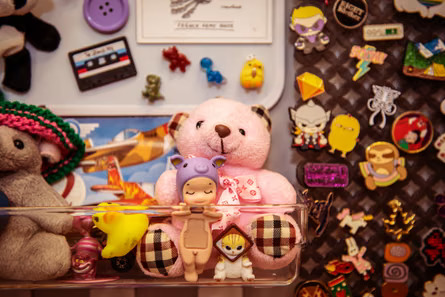
We're not talking about formal antiques trading or high-value collectible auctions. This is smaller, stranger, and often more personal. Friendship bracelets. Acrylic charms. Enamel pins. Keychains. Mini figurines. Beads. Tiny handmade clay mushrooms. Convention freebies. Vintage-style charms pulled from old jewelry. Even the odd piece of polished sea glass with a handwritten note explaining where it was found.
The appeal isn't just getting something new.
It's the trade.
For readers of HobbyIdeas.net, that distinction matters. Trinket swapping sits at the intersection of several familiar hobbies—crafting, collecting, upcycling, jewelry making, fandom, and community projects—but it has developed its own unwritten rules, logistics, and occasional headaches.
And yes, there are headaches.
A swapped charm can arrive with a broken clasp. A "handmade" pin may turn out to be a mass-produced item from a wholesale marketplace. International postage can cost more than the trinket itself.
Still, people keep trading.
Here's why.
Tiny objects, surprisingly big communities
The modern trinket swap isn't one single movement. It's a loose collection of communities built around the same basic idea: bring something small, exchange it, leave with a story.
That can happen face to face at a craft fair. It can happen through a Discord server, a Facebook group, a subreddit, or an event-specific swap table. Some communities organize themed mail swaps, while others use simple "send one, receive one" systems.
The infrastructure is remarkably ordinary.
A group might coordinate sign-ups with Google Forms, track mailing addresses in a private spreadsheet, and use Discord channels to post "available for trade" photos. For more structured swaps, moderators may rely on platforms such as Airtable or Notion to track participants, shipping status, and deadlines.
The important part is that the technology stays in the background.
The object remains the social currency.
A hand-painted wooden bead isn't valuable because of its resale price. It might be memorable because the maker painted it during a rainy weekend, used leftover acrylic paint from another project, and accidentally gave the tiny frog an enormous smile.
That story travels with it.
Why trinket swapping feels different from buying collectibles
Online marketplaces solved one problem: finding things.
They didn't solve the boredom of simply clicking "Buy Now."
Trinket swapping introduces uncertainty. You know what you're offering, but the return can contain an element of surprise. That unpredictability makes the exchange feel closer to opening a gift than completing a purchase.
There's also a useful psychological distinction between collecting and accumulating.
Accumulation is easy. Add items to a cart.
Collecting usually involves decisions.
Swapping adds another layer because every object has to pass through someone else's judgment. Is this interesting enough to offer? Does it fit the group's rules? Should you trade one rare enamel pin for three handmade charms?
Sometimes the answer is obvious.
Sometimes you stare at your trade pile for twenty minutes.
The low-stakes price point helps
A thriving trinket swap usually works best when participants aren't obsessing over precise monetary equivalence.
That doesn't mean value disappears. It just becomes flexible.
One person may trade a $10 enamel pin for a bundle of handmade polymer-clay charms because they prefer the charms. Another collector might consider that a terrible deal.
Both can be happy.
The sweet spot is often objects inexpensive enough that a disappointing trade isn't financially painful, but distinctive enough to spark conversation.
The 2026 twist: communities are getting more organized
The homemade feel remains, yet the logistics have become sharper.
Experienced swap organizers increasingly separate exchanges into categories:
Open swaps: Participants trade almost anything that fits the size and safety rules.
Theme swaps: Examples include botanical charms, retro toys, fantasy creatures, or handmade jewelry.
Blind swaps: Participants know the theme and approximate quantity but not the exact contents.
Skill swaps: One person might trade handmade embroidery patches for another maker's custom resin charms.
This structure prevents a common problem: wildly mismatched expectations.
Imagine joining a "cute trinkets" exchange and receiving three factory-made plastic keychains after mailing out five individually sculpted charms. Nobody technically broke a rule, but the experience can leave a sour taste.
Clear categories reduce that friction.
So do photos.
Most serious communities now expect participants to photograph items before confirming a trade. A quick image showing scale, condition, and quantity can prevent the classic misunderstanding where one person imagines a palm-sized figurine and receives something barely larger than a coin.
A ruler in the photo helps. So does stating the material.
"Charm, metal alloy, approximately 32 mm long, clasp included" is much more useful than "cute silver thing."
What people are actually swapping
The range is expanding fast.
Friendship bracelets and bead creations
Bead swapping remains one of the easiest entry points because materials are accessible and customization is nearly endless.
Alphabet beads, seed beads, pony beads, letter charms, polymer-clay beads, and recycled jewelry components can all become trade material.
One practical annoyance: bracelet sizing.
Elastic bracelets don't always fit the next owner, especially when makers use different elastic cord diameters or tension. Some swappers now send adjustable designs or include loose beads so the recipient can modify the piece.
Small detail. Big difference.
Pins, patches, and keychains
These are ideal for conventions and fandom gatherings because they're compact and easy to display.
Condition matters more than newcomers expect. Scratched acrylic, missing rubber pin backs, bent posts, or yellowed packaging can change the perceived quality dramatically.
Before trading, inspect the hardware—not just the artwork.
A beautiful enamel pin with a loose post is still a broken pin.
Handmade miniatures
Tiny food sculptures, clay animals, miniature books, shrink-plastic charms, and resin creations are particularly popular because they blur the line between craft and collectible.
Durability becomes the issue here.
Freshly cured resin, weak jump rings, uncured clay, or poorly sealed paint can turn a charming swap into a sticky mess. Makers should allow materials to fully cure according to the manufacturer's instructions and test hardware before mailing.
Don't discover that the eye screw pulls out after the recipient opens the package.
That lesson tends to stick.
Found and upcycled trinkets
This category gives HobbyIdeas.net readers plenty of room to experiment.
Broken jewelry can become charm bundles. Old buttons can be turned into decorative pins. Scraps of fabric can become miniature lucky pouches. Small shells, properly cleaned and responsibly collected, may become jewelry components.
The trick is disclosure.
If something is vintage, reclaimed, repaired, or assembled from secondhand materials, say so. Many collectors love that history. Others may have metal allergies, conservation concerns, or simply prefer new materials.
Transparency beats surprise.
How to build a trinket swap kit that doesn't become chaos
A dedicated kit saves time.
Mine would include a small compartment organizer, resealable bags, a digital scale, masking tape for temporary labels, and a stack of small note cards. You don't need a studio. A shoebox-sized system works.
For mailing swaps, add a few practical supplies:
Bubble mailers in more than one size. Overstuffing a tiny mailer is how acrylic charms get cracked.
Small resealable bags. Separate items that could scratch each other or lose tiny components.
A digital kitchen or postal scale. Guessing package weight is an easy way to underpay postage or waste money.
Painter's tape or low-tack labels. Useful for temporary identification without permanently marking packaging.
Photograph everything before sealing the envelope.
Not because every trade will go wrong. Most won't.
But when someone asks, "Wait, did this package include the blue mushroom charm?" you'll have an answer.
The unglamorous problem: trust
As swapping communities grow, trust becomes the hobby's most valuable resource.
Large groups often develop informal reputation systems. Completed trades get confirmed. New members may be asked to participate in smaller swaps first. Some communities prohibit direct sales inside trade threads because money complicates what was meant to be an exchange.
Moderators also have to handle awkward disputes.
Did the sender package the item badly, or did the postal service damage it?
Was a handmade item copied from another artist?
Did both people agree on a trade, or did someone merely say they were "interested"?
Screenshots help. Clear rules help more.
A good community establishes expectations before anyone sends an address.
A simple fairness framework for swaps
You don't need to turn every exchange into an accounting exercise.
Try this instead:
Factor | Ask yourself |
|---|---|
Condition | Would I be happy receiving this exact item? |
Effort | Is handmade labor part of the trade's expected value? |
Rarity | Is the item easily replaceable or difficult to find? |
Quantity | Are both sides receiving a roughly comparable amount? |
Personal fit | Does the other person actually want it? |
The last category can outweigh the others.
A common charm might be worth more to someone completing a themed collection than a technically "rarer" object they don't care about.
That's part of the fun.
Hosting a small swap without accidentally creating a nightmare
Start with ten to twenty people.
Seriously.
A 200-person swap sounds exciting until you're trying to answer 47 messages about missing packages and two participants have accidentally mailed to old addresses.
Set a deadline. Publish photo requirements. Define prohibited items. Decide whether participants cover their own shipping costs. Establish what happens if someone disappears after receiving their package.
Then run one small round.
You'll find the weak spots quickly.
Maybe participants need clearer size limits. Perhaps international shipping makes the exchange too expensive. Maybe blind swaps generate more excitement than direct one-to-one trades.
Adjust after the first round instead of pretending the rules were perfect.
They weren't.
FAQs about trinket swapping
Is trinket swapping the same as bartering?
Not exactly. Bartering usually emphasizes negotiated value, while trinket swaps often prioritize shared interests, creativity, surprise, and social interaction.
How much should a swap item be worth?
Many groups use informal value ranges, but exact price matching isn't always necessary. Follow the community's rules and make sure the trade feels reasonable to both participants.
Can beginners join a trinket swap?
Yes. Start with low-cost, clearly described items and complete smaller trades before committing to a large international exchange.
How should I package fragile handmade trinkets?
Wrap delicate pieces individually, prevent movement inside the package, and use a rigid box or adequate cushioning when a padded envelope isn't enough.
What shouldn't be included in a swap?
Avoid unsafe, prohibited, counterfeit, damaged-without-disclosure, or questionable items. Check postal restrictions and community rules before shipping anything unusual.
Start small, then make the swap your own
The best first trade probably won't be the most valuable item you've ever owned.
Pick something small that you genuinely like, but can happily part with. Make a clear photo. Describe it honestly. Find someone who wants it.
Then see what comes back.
That tiny object might become a new craft idea, a conversation with another hobbyist, or the first piece in a collection you never expected to start. In 2026, that's the real attraction: not just owning more stuff, but giving small objects somewhere else to belong.
trinket swapping
trinketcore
community hobbies
collectible swaps
hobby communities
nostalgic trends
Found this helpful? Share it!